






Literature has always been a reflection of the human condition. But for centuries, half of humanity’s voice was either silenced or spoken through filtered lenses. Despite societal restrictions, women have emerged as some of the most influential forces in literary history. Their voices have shaped nations, questioned norms, and inspired generations.
Randolph Peacock, a bartender, comedian, and magician, has recently released his latest work, Digitally Dysfunctional: An Analog Description of Our Digital Dystopia, now available on Amazon. Equal parts satire, memoir, and cultural roast, this book is a brutally honest and sarcastically hilarious self-evaluation of our addiction to digital devices and the hollow validation they bring.
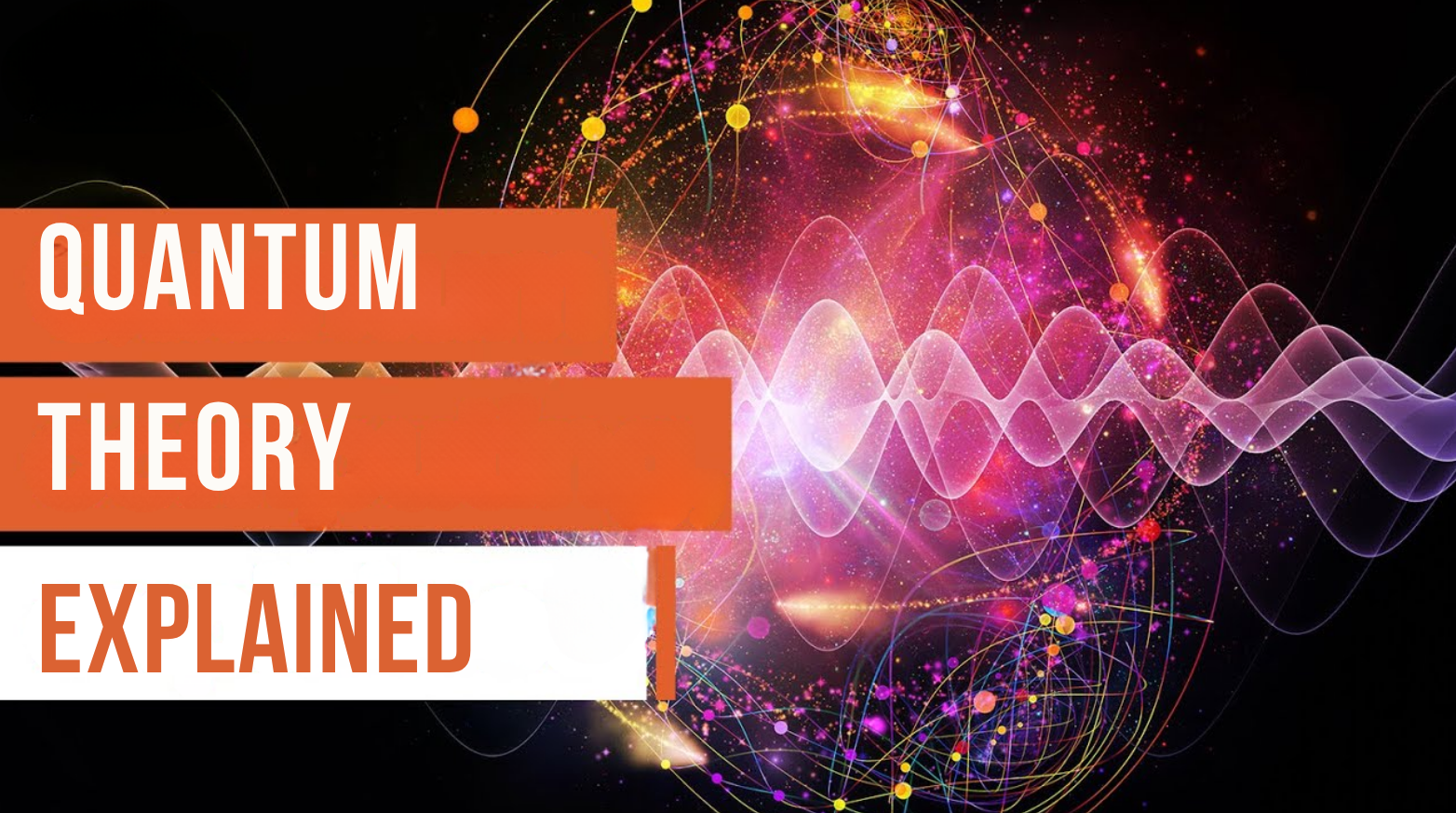
In the world of science, size matters, but not the way you might think. Quantum particles, the tiniest known building blocks of matter, are now shaping some of the biggest technological breakthroughs of the 21st century. From ultra-fast computers to unbreakable encryption, quantum mechanics is no longer just theory, it’s transforming real-world technology.
Ecosystems are intricate, interdependent systems where every species and element plays a role in maintaining balance. However, in the last few centuries—especially the past few decades human activity has emerged as the single most disruptive force to these natural systems.
Imagine treating genetic disorders not with drugs but by editing the faulty genes themselves. Welcome to the world of gene therapy, one of the most promising and transformative fields in modern medicine. Once considered futuristic science fiction, gene therapy is now a clinical reality with the potential to cure diseases at their genetic root.
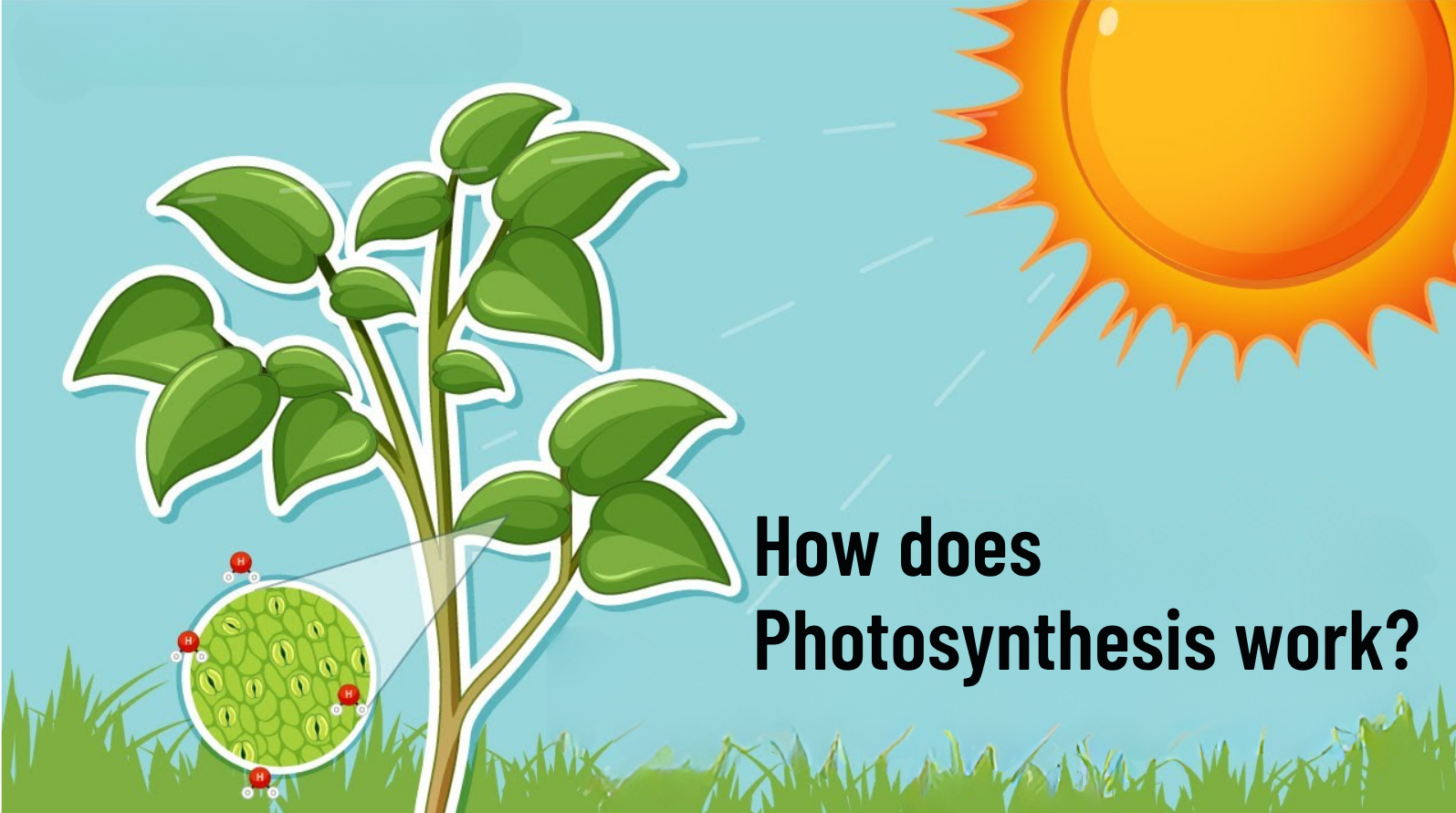
Have you ever wondered how plants “eat” without a mouth or how a tree turns sunlight into energy? The answer lies in one of nature’s most remarkable processes: photosynthesis. This process not only fuels the entire plant kingdom but also provides the oxygen we breathe.
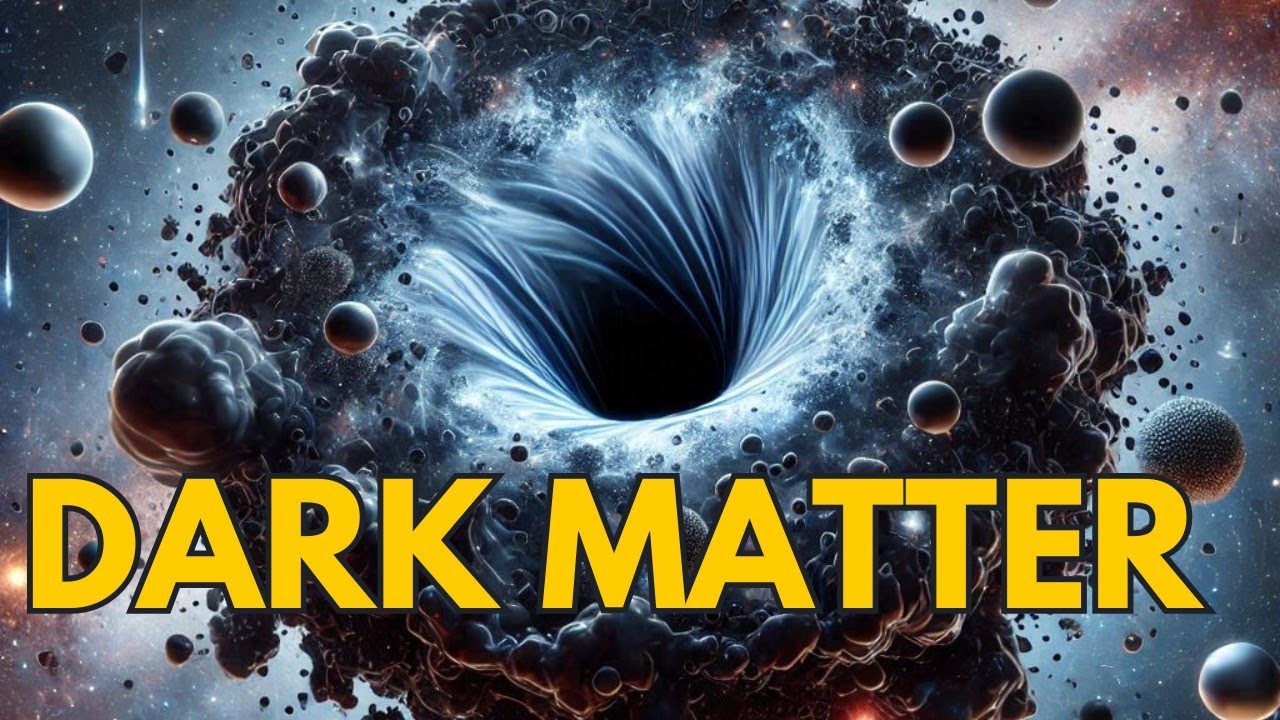
When we look up at the night sky, we see stars, galaxies, and planets, brilliant and beautiful. But what if we told you that everything we can see makes up less than 5% of the actual universe?
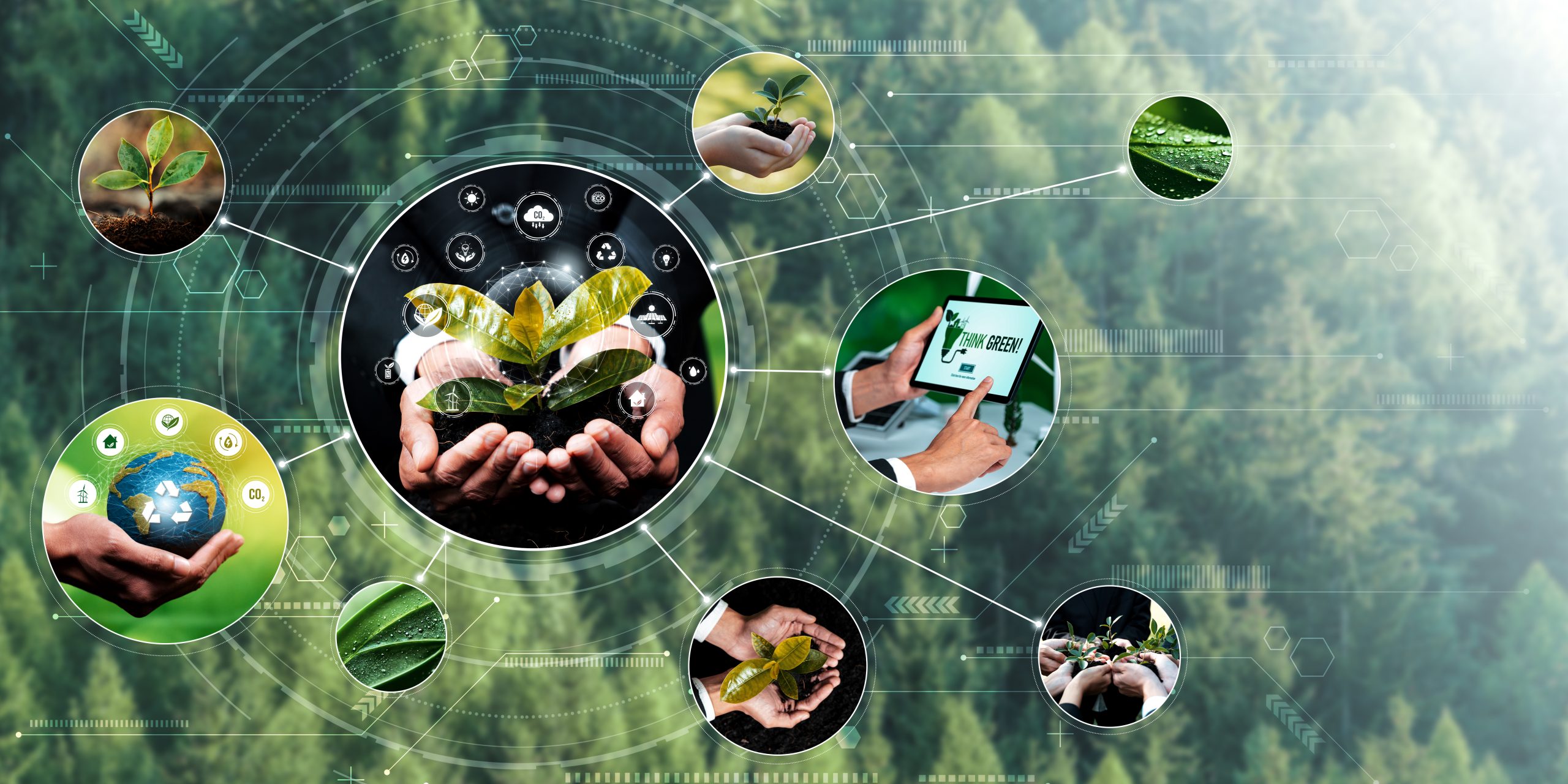
As the effects of climate change grow increasingly severe, the global shift toward renewable energy has become more urgent than ever. Unlike fossil fuels, which emit greenhouse gases and deplete finite natural resources, renewable energy sources offer sustainable, cleaner alternatives for powering the world. From the sun above us to the wind sweeping across plains, nature provides powerful tools that can meet our energy needs without harming the planet.
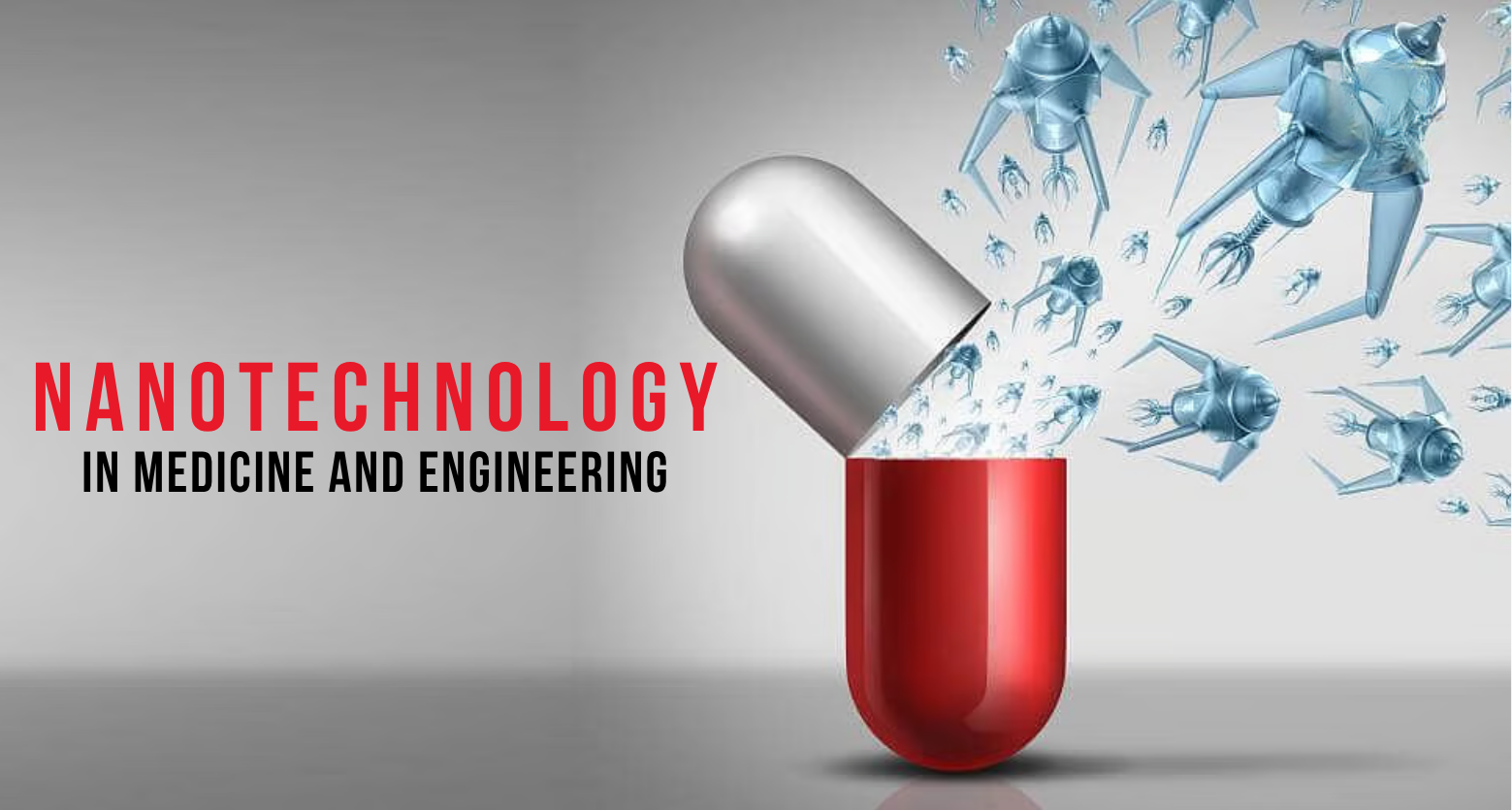
Nanotechnology may sound like science fiction, but it’s very real and rapidly transforming the world around us. By manipulating materials at the molecular or atomic scale (1 to 100 nanometers), scientists and engineers are developing revolutionary solutions in both medicine and engineering.
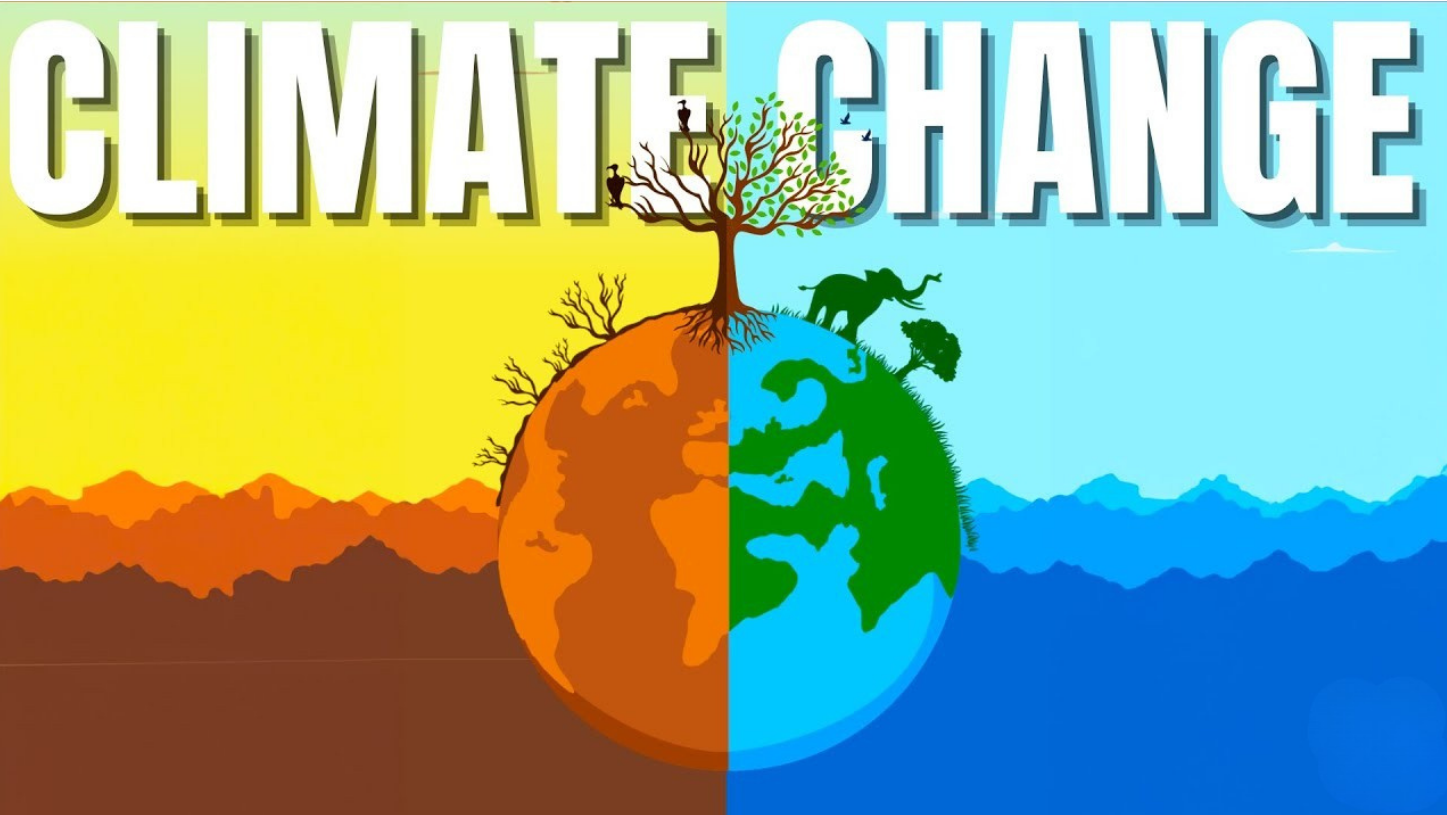
Climate change is no longer a distant threat it’s a present-day reality affecting ecosystems, economies, and communities across the globe. From rising temperatures to melting glaciers and extreme weather patterns, the evidence is overwhelming and scientifically undeniable.